CALL TODAY! → (407) 456-9715

How To Maintain & Care For Your Stucco Exterior
A guide to extending the life of stucco with regular cleaning, minor repairs, & professional maintenance tips.
9/23/20244 min read
Understanding Stucco and Its Benefits
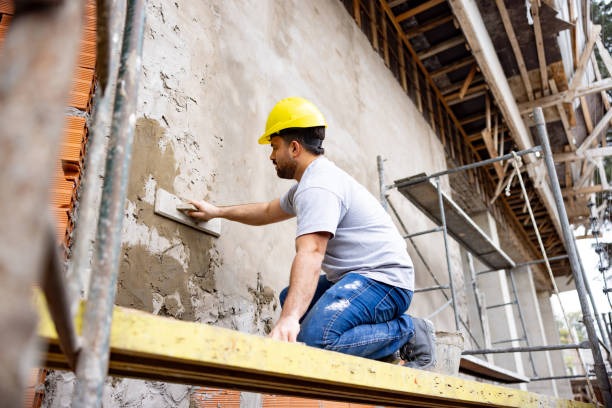
Stucco is a type of exterior finishing material that has gained popularity in residential construction due to its numerous benefits. This durable material is composed primarily of cement, sand, lime, and water, creating a versatile barrier against the elements. Stucco can be applied in various thicknesses and offers a range of finish options, including smooth, textured, and patterned surfaces. Each finish contributes uniquely to the aesthetic appeal of a property, allowing homeowners to choose styles that complement their overall design vision.
One of the standout features of stucco is its durability. When properly mixed and applied, stucco can withstand harsh weather, including heavy rainfall, intense sunlight, and fluctuating temperatures. This resilience makes it an ideal option for regions prone to extreme weather conditions. In addition to its strength, stucco is also fire-resistant, providing added security to homes. Furthermore, it is known for its insulating properties, which contribute to energy efficiency by helping to maintain consistent indoor temperatures, potentially lowering heating and cooling costs.
Aesthetic versatility is another hallmark of stucco. Homeowners can select from an extensive palette of colors and textures, enabling customization that can enhance the curb appeal of any property. Whether one prefers a classic look or a contemporary design, stucco can be tailored to suit various architectural styles. This adaptability, combined with its low maintenance requirements, positions stucco as an attractive option for professionals and homeowners alike.
Given the myriad benefits of stucco exteriors, understanding their composition and advantages lays the groundwork for proper maintenance practices. Taking care of a stucco exterior will ensure its longevity and continued performance, allowing homeowners to enjoy both its aesthetic and functional qualities for years to come.
Regular Cleaning Techniques for Stucco
Maintaining a stucco exterior requires regular cleaning to prevent the accumulation of dirt, mold, and mildew, which can lead to deterioration of the surface and affect its aesthetic appeal. To achieve optimal results, a systematic approach should be adopted when cleaning stucco. The first step involves using a soft-bristle brush to gently scrub the surface, removing loose dirt and debris. It is essential to avoid abrasive materials that could damage the stucco finish.
For more persistent stains and mold, a cleaning solution can be effective. A mixture of water and a mild detergent, or a specialized stucco cleaner, is advisable. Alternatively, a solution of one part bleach to three parts water may be employed to combat mold and mildew. Before applying any solution, it is wise to test it on a small, inconspicuous area to ensure that it does not harm the stucco surface. When ready to clean, use a spray bottle or garden sprayer to apply the cleaning solution evenly, allowing it to sit for several minutes before scrubbing.
After the scrubbing process, rinsing the stucco thoroughly with a hose is critical to remove any residual cleaning agents. High-pressure washers should be avoided since they can damage the stucco finish if not used correctly. Following the washing, it is advisable to inspect the surface for any remaining stains or areas requiring additional treatment. Establishing a regular cleaning schedule is paramount; this typically means cleaning your stucco every six months or as needed, depending on local environmental conditions and exposure to mold-friendly climates. Adhering to these techniques will not only enhance the appearance of your stucco but also prolong its lifespan.
Identifying and Performing Minor Repairs
Stucco exteriors, while durable and aesthetically pleasing, may encounter various issues over time. Homeowners often face challenges such as hairline cracks, discoloration, and water damage. Recognizing these common problems is crucial for maintaining the integrity of the stucco surface and preventing more extensive damage. Hairline cracks can appear due to settling, temperature fluctuations, or inadequate application. These cracks, often barely visible, may not seem significant at first glance, but they can allow moisture penetration if left unattended. Discoloration may result from mold, mildew, or environmental factors, indicating that there may be underlying problems. Water damage can manifest as peeling paint or bubbling, which could signal more severe issues within the structure.
To address these minor repairs, homeowners will need some basic materials, including stucco patching compound, a putty knife, a wire brush, and a spray bottle with water. The first step in the repair process is to clean the area around the damage. Use the wire brush to remove any loose paint, dirt, or debris from the cracks. For hairline cracks, simply filling them with the patching compound is often sufficient. Apply a small amount of the compound to the crack using the putty knife, smoothing it out to blend with the surrounding surface. For larger cracks, it may be necessary to widen the crack slightly before filling it to ensure a strong bond.
Discoloration requires a different approach. First, ensure that the surface is clean, then address any mold or mildew with a suitable cleaner. After the surface is dry, you may need to repaint to restore the stucco's overall appearance. It is essential to match the original color and texture as closely as possible. By promptly repairing these minor issues, homeowners can maintain the beauty and functionality of their stucco exterior, ensuring it continues to provide protection and curb appeal.
When to Seek Professional Maintenance
Maintaining a stucco exterior is crucial for the longevity and aesthetic appeal of your home. While regular cleaning and minor repairs can often be managed by homeowners, there are specific scenarios where seeking professional maintenance becomes essential. Extensive damage is a primary indicator that professional intervention is necessary. If you notice large cracks, warped areas, or signs of water infiltration, a qualified stucco contractor should be consulted. These issues may indicate underlying structural concerns that could jeopardize the integrity of the entire exterior coating.
Additionally, if your property has experienced severe weather events, such as hail or heavy storms, it's advisable to have a professional examine your stucco. Even if visible damage is minimal, hidden issues can lead to significant problems down the line. For homeowners who prefer a hands-off approach to maintenance, hiring professionals ensures that your stucco is cared for regularly and effectively. This not only saves time but also provides peace of mind that the work is performed by knowledgeable experts.
When choosing a stucco contractor, prioritize professionals who possess relevant experience and positive reviews. Ask for references and check their portfolios to ensure they are capable of handling your specific needs. During a professional inspection, you can expect a thorough assessment of your stucco exterior, where they will identify potential issues and advise on the best courses of action.
Regular professional maintenance offers numerous benefits. Contractors often provide warranties on their work, which can protect your investment. Additionally, they can offer valuable insights and tips for homeowners on how to maintain stucco exteriors in optimal condition, thus prolonging the life of your home’s exterior. In conclusion, recognizing when to involve professional services can safeguard your property and preserve the beauty of your stucco siding.
CONTACT US
FOLLOW US ON SOCIAL MEDIA
SUBSCRIBE TO OUR NEWSLETTER
CALL:
HOURS:
Mon-Fri 7:00am-5:00pm Sat 8:00am-4:00pm
COPYRIGHT © 2025 MAC BAXCAJAY CONSTRUCTION LLC.