CALL TODAY! → (407) 456-9715

Remodeling Your Home’s Walls With Stucco: A Complete Guide
We offer a detailed look at how stucco can enhance home remodels, providing tips for selecting the right type & finish for wall transformations.
9/2/20244 min read
Introduction to Stucco: Understanding Its Benefits
Stucco is a versatile and durable building material that has been utilized for centuries in various architectural designs. Composed of a mixture of cement, sand, lime, and water, stucco provides a strong and appealing finish for exterior and interior walls alike. One of the primary benefits of using stucco is its exceptional durability. Once applied, stucco can withstand severe weather conditions, making it an ideal choice for homeowners in regions prone to extreme temperatures or heavy precipitation.
Moreover, stucco’s aesthetic versatility cannot be overlooked. Available in a variety of textures, colors, and finishes, it can easily complement different architectural styles from modern to traditional. Homeowners can opt for smooth, sanded finishes for a sleek look or more textured options that veil imperfections and enhance visual interest.
Another significant advantage of stucco is its weather resistance. When properly installed and maintained, stucco can protect homes from moisture and is less susceptible to mold and mildew growth compared to other building materials. This characteristic makes it an excellent option for homes located in humid climates. Additionally, stucco acts as a barrier against pests, reducing the likelihood of infestations.
Despite its many benefits, there are misconceptions surrounding stucco, particularly regarding its susceptibility to cracking. While it is true that, like any material, stucco can crack under extreme circumstances, modern application techniques and a proper maintenance routine can significantly minimize these risks. Furthermore, its suitability for various climates and architectural styles makes it a preferred choice among many homeowners looking to remodel their homes' walls.
Choosing the Right Type of Stucco: A Comprehensive Guide
When it comes to remodeling your home’s walls, selecting the appropriate type of stucco is crucial for achieving the desired aesthetic and functional outcomes. Stucco is a versatile exterior finish, available in several forms, including traditional cement-based stucco, synthetic stucco, and acrylic finishes. Each type boasts unique characteristics that cater to different architectural styles and environmental conditions.
Traditional cement-based stucco, comprised of Portland cement, sand, and water, offers durability and breathability, making it suitable for various climates. However, it typically requires more maintenance over time as it can be susceptible to cracking, especially in regions with significant temperature fluctuations. On the other hand, synthetic stucco systems, often known as Exterior Insulation and Finish Systems (EIFS), incorporate insulation materials, providing enhanced thermal efficiency. These systems are lighter and more flexible, which may suit homes in areas prone to seismic activity; however, they can require specialized installation to ensure performance and longevity.
Acrylic finishes represent another option, known for their flexibility and resistance to cracking. These finishes often come in a wide range of colors and textures, making them an attractive choice for enhancing a home’s curb appeal. They can also blend well with various architectural designs, from traditional to modern. When selecting the right type of stucco, consider factors such as your home’s style, the local climate, and your preference for maintenance. Additionally, evaluating product quality plays an essential role in your decision-making process. Always check for certifications and performance testing of stucco products to ensure their longevity, durability, and suitability for your remodeling project.
Finishing Touches: Selecting the Perfect Finish for Your Walls
When considering a remodel involving stucco, the choice of finish for your walls plays a pivotal role in determining the ultimate aesthetic appeal of your home. Various finishes are available for stucco applications, each offering unique characteristics that can dramatically alter the overall look. The three primary categories of stucco finishes include smooth, textured, and patterned options, allowing homeowners to create a distinct visual impact that aligns with their design preferences.
A smooth finish presents a refined and modern appearance, making it an ideal choice for contemporary homes. This sleek option enables a seamless surface that can emphasize architectural details and provide a clean backdrop for color application. Textured finishes, on the other hand, add depth and character to the exterior. Options such as a skip trowel, dash finish, or pebble dash contribute a rustic charm or an engaging tactile aspect depending on the chosen technique. For those seeking something more ornamental, patterned finishes incorporate designs that can reflect personal style and create a unique façade.
Color selection is equally vital in achieving desired aesthetics. Neutral tones may create a sophisticated look, while bolder hues can make a powerful statement. It's essential to consider the colors of surrounding elements such as roofing, landscaping, and other architectural features, ensuring a harmonious integration. Should you decide on a vibrant finish, be aware of exposure, as sun-bleaching can affect longevity over time.
Maintaining the integrity of your stucco finish is crucial for preserving beauty. Regular cleaning to remove dirt and debris, along with prompt repairs to any cracks or damage, will help uphold the appearance and durability of your walls. With thoughtful consideration of these finishing touches, your stucco application can enhance both the charm and value of your home.
Installation and Maintenance: Ensuring Long-lasting Results
Installing stucco on your home's walls can create a durable and aesthetically appealing finish, but it is crucial to follow a meticulous installation process to ensure longevity. Before application, the preparation of your walls is an essential first step. Begin by cleaning the surface to remove dust, grease, or loose materials. Any existing paint should be stripped off to provide a proper bonding surface for the stucco. Next, if you're working with concrete or masonry walls, ensure they are completely dry before proceeding.
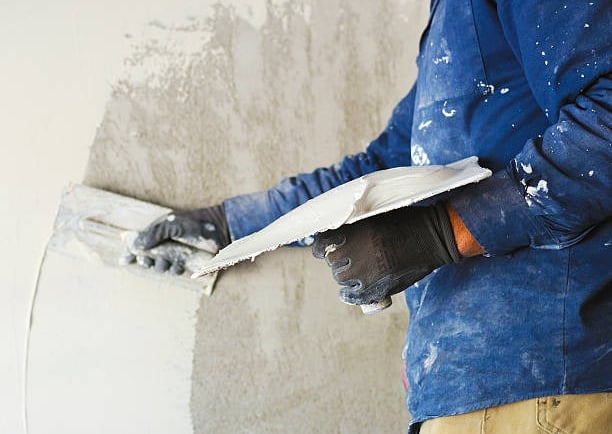
Once the wall surface is prepared, the next step involves applying a moisture barrier, which is typically a building paper or a specialized barrier. This layer helps protect against water intrusion, which can lead to damage over time. Following this, a metal lath is secured onto the walls, providing a solid framework that enhances the adhesion of the stucco. The installation requires a variety of tools, including a trowel for application, a hawk for holding the stucco, and a mixer for creating the ideal stucco consistency.
When applying stucco, common installation techniques include the "scratch coat," which serves as the first layer and helps anchor the subsequent layers. After the scratch coat has cured, a "brown coat" is applied to provide additional thickness. The final layer is known as the "finish coat," which can vary in texture according to your aesthetic preferences. It is essential to ensure each layer is properly cured before applying the next.
Maintenance of stucco is also vital for preserving its integrity over time. Inspect the finish regularly for signs of cracking or peeling. If cracks are discovered, they should be addressed promptly to prevent water infiltration. Reapplication of stucco may be necessary every few years depending on the environmental conditions and wear. Regular cleaning, such as washing off dirt and debris, also helps maintain the stucco's appearance and functionality.
CONTACT US
FOLLOW US ON SOCIAL MEDIA
SUBSCRIBE TO OUR NEWSLETTER
CALL:
HOURS:
Mon-Fri 7:00am-5:00pm Sat 8:00am-4:00pm
COPYRIGHT © 2025 MAC BAXCAJAY CONSTRUCTION LLC.