CALL TODAY! → (407) 456-9715

Stucco VS. Other Exterior Finishes: Which Is Right For You?
Compare stucco with other materials like brick, siding, & stone to help you understand the best option for your home’s exterior.
9/30/20245 min read
Understanding Stucco and Its Benefits
Stucco is a versatile exterior finish that has been utilized in architecture for centuries. Traditionally composed of a mixture of cement, sand, and water, it is applied in a thick layer, creating a durable and attractive outer shell for buildings. Initially popularized in ancient Greek and Roman architecture, stucco has evolved over time, embracing various styles and techniques that reflect the cultural aesthetics of different eras. Its historical significance is not only rooted in its physical properties but also in its ability to adapt to various architectural movements.
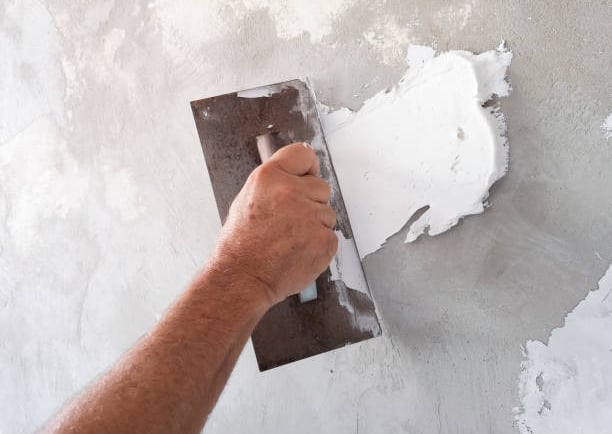
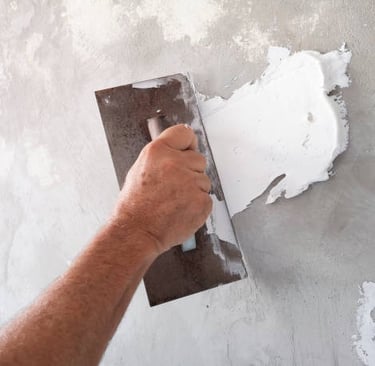
The application of stucco involves several essential steps, beginning with surface preparation to ensure proper adhesion. Once the base is ready, the stucco mixture is applied in multiple coats, which may include a scratch coat for bonding, a brown coat for building the thickness, and a finish coat that gives the desired texture and color. This methodical approach results in a robust finish that can withstand the elements, making it a preferred choice for many homeowners.
One of the standout benefits of stucco is its durability. When properly installed and maintained, stucco can last for decades, resisting peeling, chipping, and fading. Additionally, stucco offers remarkable energy efficiency, as its thick layers help with insulation, reducing energy bills by maintaining stable indoor temperatures.
Low maintenance is another significant advantage of stucco finishes. Homeowners need only perform occasional cleaning and repainting, which makes it a practical choice for busy lifestyles. Furthermore, stucco's aesthetic versatility allows for a wide range of finishes and textures, including smooth, rough, or patterned surfaces, enabling homeowners to express their unique style while enhancing curb appeal.
In summary, stucco provides an attractive, durable, and efficient exterior finish for homes, making it an excellent option worth considering. Its long-lasting performance and aesthetic flexibility position it as a leading choice among various exterior materials.
Comparative Analysis: Stucco vs. Brick
When selecting exterior finishes, stucco and brick are two prominent options, each with its unique advantages and disadvantages. This comparative analysis explores key factors such as durability, cost, insulation properties, maintenance requirements, and aesthetic considerations.
Durability is a paramount criterion for homeowners. Stucco, a mixture of cement, sand, and lime, offers resilience against adverse weather conditions. It can withstand rain, wind, and sun exposure, provided it is properly applied and maintained. However, it may be prone to cracking if not installed correctly. Conversely, brick is renowned for its strength and ability to withstand the test of time. It is resistant to fire, pests, and extreme weather, making it an exceptionally durable option when considering long-term investment.
Cost is another crucial factor in this decision-making process. Generally, stucco is more budget-friendly, both in terms of material costs and installation. Its application is less labor-intensive compared to brick, which often requires skilled masons. In contrast, while brick may entail a higher initial investment, its longevity can potentially offset long-term costs associated with repairs and replacements.
Insulation properties also vary between these two materials. Stucco provides decent insulation, especially when combined with suitable underlayment. In colder climates, homes with stucco may require additional insulation. Brick, on the other hand, has superior thermal mass, helping to regulate indoor temperatures more efficiently, which can translate to lower energy bills over time.
Maintenance requirements differ as well; stucco may require periodic painting or sealing to prevent water damage and maintain appearance, while brick generally needs less upkeep but may suffer from efflorescence, which requires occasional cleaning.
Aesthetically, both stucco and brick offer distinct looks that can enhance curb appeal. Stucco can be textured and painted in various colors, providing more flexibility in design. Brick exudes a classic charm and offers an array of colors and patterns, contributing to the timeless elegance of a home.
This comparative analysis helps homeowners weigh the long-term advantages and potential downsides of stucco versus brick as exterior finishes, tailoring their choice to specific needs and preferences.
Siding vs. Stucco: A Closer Look
When considering exterior finishes for homes, both siding and stucco are prominent choices, each with its advantages and challenges. Analyzing these two materials provides homeowners with a clearer understanding of what aligns best with their needs and preferences. Siding can encompass various materials such as vinyl, wood, and fiber cement, presenting an array of options that cater to different tastes and budgets.
Firstly, installation processes vary significantly between siding and stucco. Siding, particularly vinyl, is often simpler and quicker to install due to its lightweight nature and pre-fabricated panels, which require minimal adjustment. In contrast, stucco demands a more labor-intensive application, as it typically involves several layers, including a scratch coat, brown coat, and finish coat. This process can extend the timeline but also allows for a highly customizable finish.
Maintenance requirements are another key consideration. Vinyl siding is known for its low-maintenance qualities, needing only occasional cleaning to maintain its appearance. However, wood siding may necessitate regular painting or staining to guard against rot and pests. On the other hand, stucco generally requires inspection for cracks and may need to be painted every five to ten years, depending on wear and tear. Despite this, it is often praised for its durability.
Examining lifetime value, stucco can offer a lengthy lifespan, sometimes lasting upwards of 50 years with proper maintenance. Vinyl siding also boasts a long life, around 20 to 40 years, while wood siding is more variable, often lasting less than 30 years unless meticulously cared for. When it comes to weather resistance, stucco typically outperforms siding materials, providing superior insulation and resilience against harsh climates. Conversely, vinyl can warp in extreme heat while wood may succumb to moisture damage if not appropriately treated.
In summary, both siding and stucco present unique qualities that impact their installation, maintenance, longevity, and performance. Understanding these factors will aid in making an informed decision that meets aesthetic preferences and practical requirements for any given environment.
The Elegance of Stone vs. The Versatility of Stucco
When it comes to choosing an exterior finish for your home, two prominent options stand out: stone and stucco. Stone exteriors are often associated with elegance and luxury. They provide a timeless aesthetic that can elevate the overall appearance of a property. The natural hues and textures found in stone create a unique visual appeal that is hard to replicate. Additionally, stone is renowned for its durability; it can endure various weather conditions without losing its charm or structural integrity. Its natural resistance to weathering makes it an attractive option for homeowners seeking long-lasting beauty.
However, the installation of stone as an exterior finish can be complex and labor-intensive. The need for skilled masons contributes to higher costs, which may not align with every homeowner’s budget. Further, stone tends to be significantly heavier than other materials, which can complicate the construction process and impact the overall foundation requirements. This complexity can lead to longer installation times and more substantial financial investments upfront.
On the other hand, stucco is widely celebrated for its versatility and affordability. This cement-based material can be easily molded and colored to complement any architectural style, which allows for a greater degree of personalization compared to stone. Furthermore, stucco is generally simpler to install, which can significantly lower labor costs and expedite project timelines. For homeowners looking for a cost-effective yet aesthetically pleasing solution, stucco provides a robust alternative that can mimic various textures, including that of natural stone.
Ultimately, choosing between the elegance of stone and the versatility of stucco requires careful consideration. Weighing the luxurious appeal and resilience of stone against the adaptability and cost-effectiveness of stucco will help you make an informed decision that best aligns with your vision for your home’s exterior finish.
CONTACT US
FOLLOW US ON SOCIAL MEDIA
SUBSCRIBE TO OUR NEWSLETTER
CALL:
HOURS:
Mon-Fri 7:00am-5:00pm Sat 8:00am-4:00pm
COPYRIGHT © 2025 MAC BAXCAJAY CONSTRUCTION LLC.