CALL TODAY! → (407) 456-9715

The Benefits Of Stucco For Your Home’s Exterior
Explore why stucco is a popular choice for homeowners, highlighting its durability, insulation properties, & aesthetic appeal.
10/7/20244 min read
Introduction to Stucco
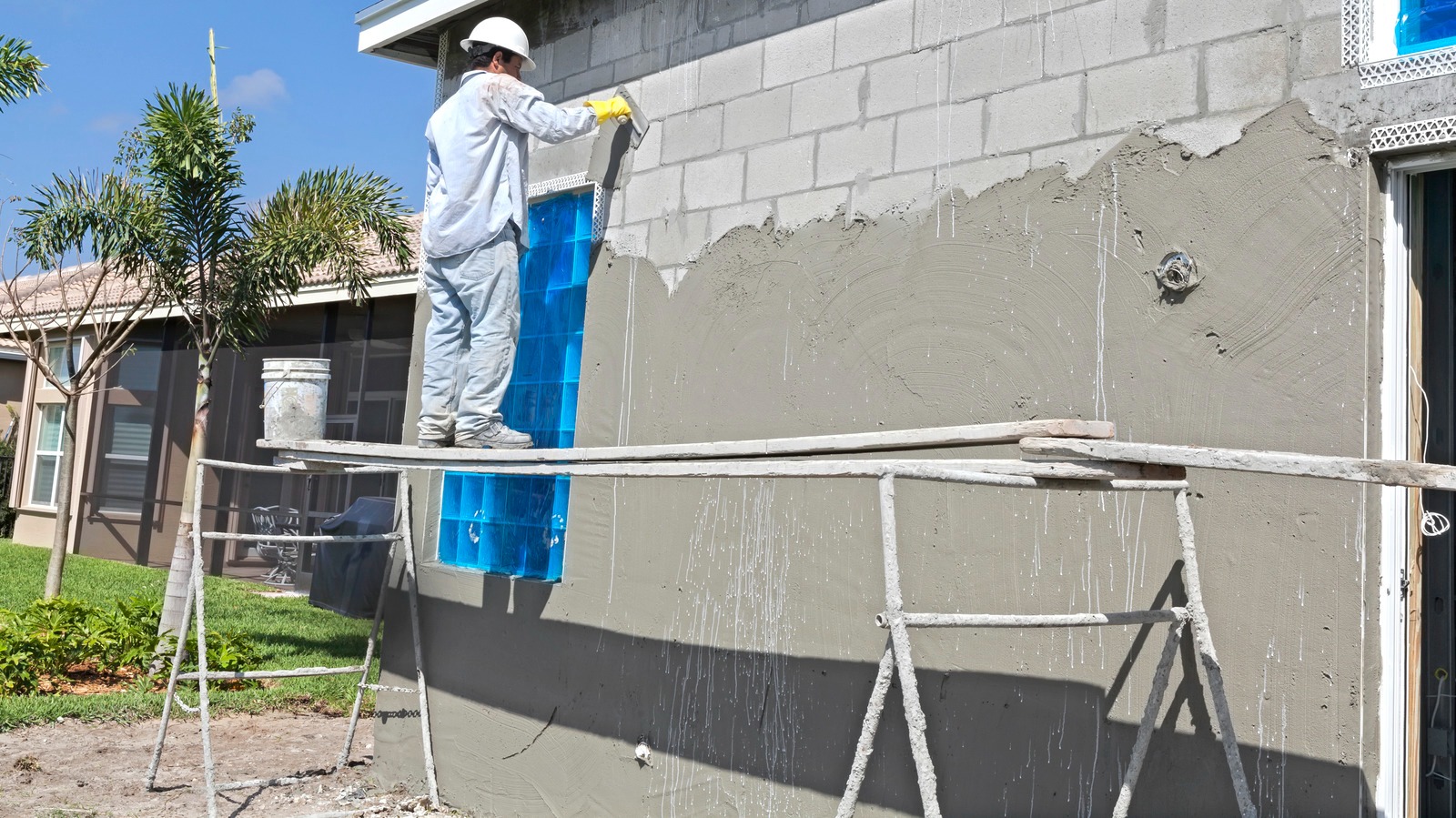
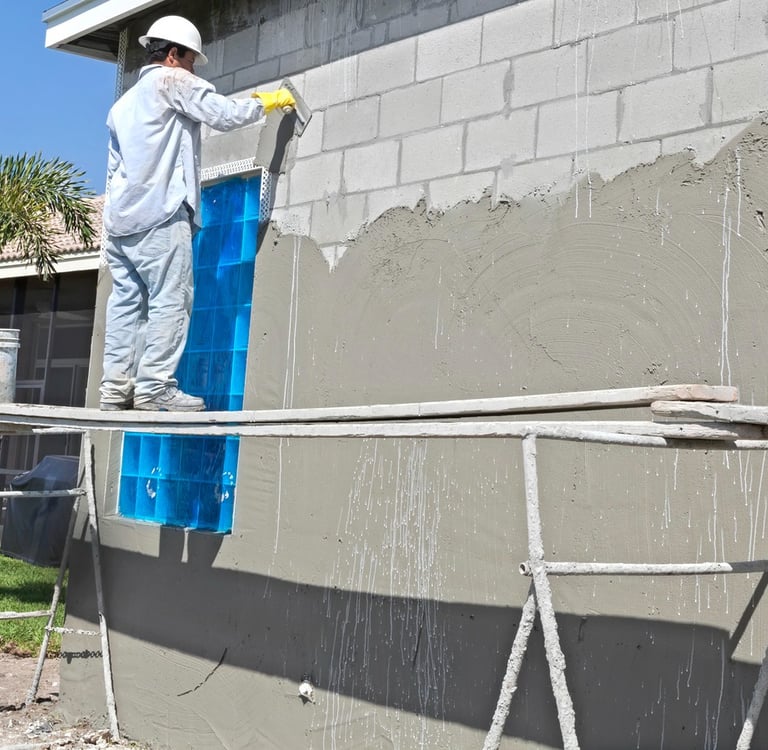
Stucco is a versatile building material that has been utilized in construction for centuries. Composed primarily of Portland cement, sand, lime, and water, stucco is applied as a wet mixture that hardens to form a durable and aesthetically pleasing exterior surface. Its roots trace back to ancient civilizations, including the Romans and the Egyptians, who utilized variations of stucco in their architectural designs. Over the years, stucco has evolved, gaining prominence in various styles and settings, from classic Mediterranean to modern contemporary homes.
One of the primary appeals of stucco is its effectiveness across diverse climates. It performs exceptionally well in dry, arid environments, where the material’s breathability helps to regulate humidity and temperature within the walls of a home. In humid areas, the quick drying nature of stucco prevents the buildup of moisture that could lead to mold or structural damage. This adaptability has made stucco a favored choice for homeowners around the world, reflecting both historical significance and contemporary practicality.
The popularity of stucco is further enhanced by its ability to mimic the appearance of various other materials, such as wood, brick, and stone, while offering a seamless, cohesive look. Homeowners appreciate the multitude of textures and finishes available, allowing for extensive customization to fit their personal style and preferences. Additionally, stucco surfaces can be easily painted or tinted, expanding the color palette available for home exteriors.
In summary, stucco remains a significant building material in modern architecture, appreciated for its historical roots, climate adaptability, and versatility in design. This introduction sets the stage for exploring the myriad benefits stucco offers to enhance the exterior of homes.
Durability of Stucco
Stucco has long been recognized as a highly durable material for home exteriors, providing a robust defense against various environmental stressors. One of the primary advantages of stucco is its remarkable ability to withstand diverse weather conditions, including extreme heat, heavy rain, and even high winds. Unlike traditional wood siding, which can warp or rot when exposed to moisture, stucco remains unaffected, making it an excellent choice for homeowners in regions with unpredictable climates.
Moreover, stucco's composition, which typically includes cement, sand, and lime, contributes to its resilience against cracking. While other exterior materials such as wood or vinyl may suffer from cracking due to temperature fluctuations, stucco's structural integrity ensures that it maintains a smooth, attractive appearance over time. Additionally, stucco’s application process creates a solid bond that not only enhances its durability but also provides excellent insulation properties, helping to regulate indoor temperatures and potentially reduce energy costs.
When comparing stucco to other siding materials, the differences in durability become apparent. For instance, brick is durable but can be expensive and labor-intensive to install. Vinyl siding, while cost-effective, tends to fade and become brittle after prolonged exposure to UV rays. In contrast, stucco offers a more favorable combination of cost-effectiveness, aesthetic versatility, and long-lasting performance. With proper maintenance, which typically involves periodic cleaning and repainting, stucco exteriors can last for decades, positioning them as a wise investment for homeowners seeking an enduring solution for their exterior needs.
In conclusion, the durability of stucco is a significant advantage for homeowners looking for a reliable and resilient exterior material. Its ability to withstand various weather conditions, resist cracking, and endure wear over time makes it an exemplary choice when considering long-lasting home investments.
Insulation Properties of Stucco
Stucco is widely recognized for its durability and aesthetic appeal, but its insulation properties also play a crucial role in enhancing energy efficiency in homes. One of the main benefits of stucco is its ability to provide excellent thermal insulation. This characteristic helps maintain stable indoor temperatures, minimizing the need for excessive heating or cooling and ultimately reducing energy costs.
The thermal mass of stucco allows it to absorb and store heat during the day, which is then gradually released during cooler evenings. This process is particularly beneficial in regions with significant temperature fluctuations between day and night. By moderating temperature swings, stucco contributes to a more comfortable indoor environment, aligning with the principles of passive solar design. Homes equipped with stucco exteriors are better insulated against the elements, resulting in a noticeable decrease in reliance on HVAC systems.
Stucco's performance varies across different climate zones. In colder regions, its insulating properties help reduce heat loss, ensuring that homes remain warm without straining heating systems. Conversely, in warmer climates, stucco reflects heat away from the home, keeping interiors cooler. The material's composition, which typically includes sand, cement, and lime, enhances its ability to insulate, providing a sturdy barrier against external temperatures.
Moreover, when properly applied, stucco can also reduce air infiltration. This further aids in keeping conditioned air inside while preventing drafts that can lead to uncomfortable temperature variations. With energy efficiency becoming increasingly important for homeowners, opting for stucco as a finishing material for exteriors not only elevates the aesthetic value of a property but also ensures sustainable living. The insulation properties of stucco are a vital consideration for homeowners looking to optimize both comfort and cost-effectiveness.
Aesthetic Appeal of Stucco
Stucco is a highly regarded material that enhances the visual allure of homes across various architectural styles. Its flexibility in design allows homeowners to select from an extensive range of colors, finishes, and textures. This versatility enables individuals to customize their home’s exterior to match personal preferences or to harmonize with the surrounding environment. With options ranging from smooth and sleek to rugged and textured, stucco can adapt to both traditional and contemporary aesthetics, making it an excellent choice for many homeowners.
Furthermore, the application of stucco can be tailored to specific architectural influences. For example, Mediterranean and Spanish-style homes often feature stucco exteriors with earthy tones and ornamental detailing, whereas modern designs may employ a minimalist approach with clean lines and monochromatic palettes. This adaptability makes stucco a universal option that can gracefully complement various styles, increasing the overall curb appeal of a residence.
The wide spectrum of color choices in stucco finishes allows for creative expression. Homeowners can select soft pastels or bold hues, creating a striking exterior that can significantly boost a property’s market value. The option to incorporate multiple stucco textures also contributes to the unique charm of a home. Textured stucco, for instance, can provide visual interest, depth, and character, giving homes a distinctive and inviting presence.
Additionally, stucco’s ability to maintain its aesthetic appeal over time is a notable benefit. When properly maintained, stucco exteriors can resist fading and weathering, keeping homes looking fresh and attractive. This durability aids in sustaining a neighborhood's visual harmony and can contribute substantially to overall property values. In conclusion, stucco not only enhances the beauty of homes but also provides lasting value that is appealing to both residents and prospective buyers alike.
CONTACT US
FOLLOW US ON SOCIAL MEDIA
SUBSCRIBE TO OUR NEWSLETTER
CALL:
HOURS:
Mon-Fri 7:00am-5:00pm Sat 8:00am-4:00pm
COPYRIGHT © 2025 MAC BAXCAJAY CONSTRUCTION LLC.